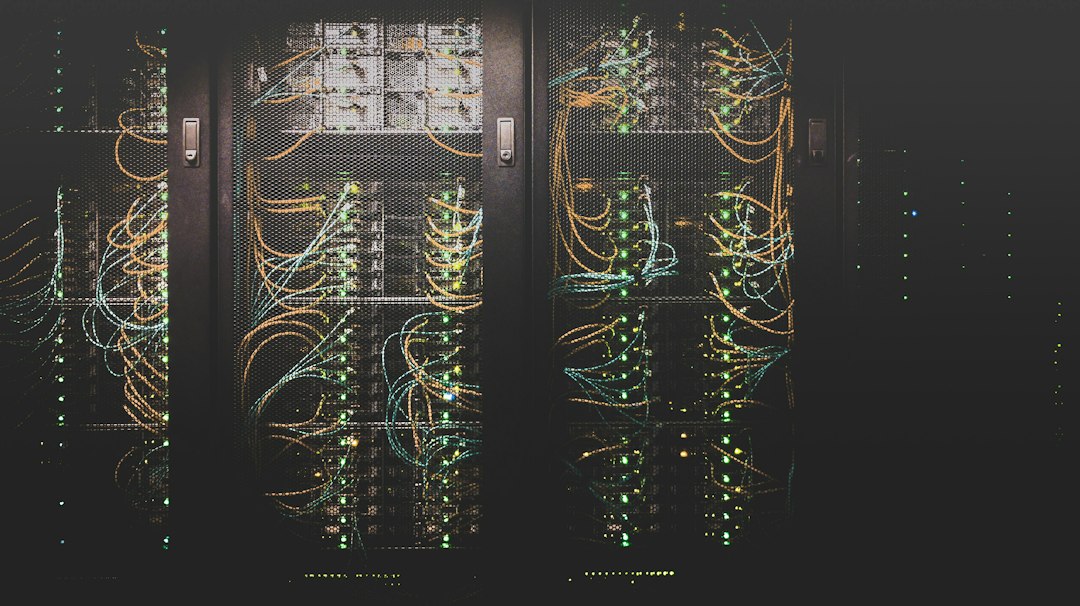
The Federal Reserve’s effort to bring inflation back to its 2% goal is facing a complication from the artificial intelligence investment boom: demand for data centers and computing equipment is adding to price pressure, while higher interest rates may cool spending elsewhere more quickly than they slow the largest technology projects.
A Reuters report on October 19 examined how that imbalance could shape the effect of further monetary tightening. Cleveland Fed President Beth Hammack told Reuters last week that moderating financial-market gains and activity outside the AI boom could be ways to ease demand “at the margins.” The report also described the possibility that borrowing costs would be felt more directly by small businesses and consumers who rely on credit.
AI investment is appearing in inflation discussions
Hammack laid out the concern in an October 12 speech to the National Association for Business Economics. She said demand linked to the AI buildout was raising prices for computer, electronic and other high-tech components. Those costs hit data centers, and also projects in aviation, electricity production and construction that use similar equipment.
That takes the issue well beyond cloud pricing or chip stocks. If scarce components and skilled construction labor are being bid up across industries, AI demand raises costs for businesses that are not building AI systems at all.
Hammack also said Cleveland Fed contacts reported shortages and faster wage growth in some skilled construction trades tied to the buildout. She described data-center capital spending as robust and said her baseline outlook expected inflation to take time to return to 2%, even with appropriate policy. That is one policymaker’s view, not a forecast of the full Federal Open Market Committee.
Rate increases could land unevenly
Interest rates do not affect every borrower equally. Large technology companies can finance projects from cash flow or through capital markets, while smaller firms often depend more on bank loans. Households carrying credit-card balances or other variable-rate debt can also feel tighter policy quickly. Reuters reported that these groups, along with rate-sensitive parts of the economy and the stock market, could bear more of the near-term adjustment if AI spending remains strong.
The question is whether higher rates can cool broad demand enough to slow inflation without causing unnecessary weakness in hiring, consumer spending or business investment. A decline in AI equipment orders could eventually reduce pressure on components and construction capacity, but it could also affect suppliers and workers. If the largest projects continue despite higher financing costs, restraint may show up more heavily in other sectors.
The Fed’s target range is 3.75% to 4.00% following its September rate increase, according to the record of that meeting. The next FOMC meeting is scheduled for October 27 and 28. Her comments do not commit the Fed to a move at that meeting, and she has emphasized that policy decisions depend on incoming data, financial conditions, forecasts and risks.
What investors should watch
Earnings calls will offer one test of whether AI demand is keeping cost pressure alive. They can show whether spending on data centers, chips and power infrastructure is accelerating, and whether management teams describe longer lead times or higher input costs. Inflation releases and wage data can help show whether those pressures are spreading beyond technology-related industries.
For stock investors, higher borrowing costs change the value placed on future earnings, and they cut different ways within the AI trade: chip and infrastructure suppliers may benefit from continued spending, while heavily financed projects can become more sensitive to rates and funding conditions.
The October 27 to 28 decision, and the statement that follows, will show how the committee as a whole weighs price stability against the risk to jobs.
For background, see our report on September inflation and the gasoline contribution to the CPI increase and our coverage of financing risks in AI infrastructure.